
The Missional Program
Calling, not housing.
Would you pray and consider being a missional? Most people who read this are called to pray and to serve. A few are called to move. If this has been on your heart, raise your hand. The first step is a conversation, not an application.
At a Glance
- What it is. Christian households living in the Village as a gospel presence among neighbors coming out of chronic homelessness.
- Why. Homelessness is a poverty of relationships. Missionals help rebuild that by being good neighbors.
- Two ways in. The Tentmaker track, where you keep your job and serve around it, and a full-time track, where you raise support and give your time fully. Discernment for the full-time track works from anywhere.
- What it costs. Privacy, comfort, and time. We say so up front.
- Where it starts. Prayer, being here, and a conversation.
Two Tracks
Live here, keep your work
- You live in the Village among neighbors.
- You keep your own job and income, and serve mainly in the evenings and on weekends.
- You pay a monthly program fee set at our cost. The Field's Edge provides no salary, stipend, or housing allowance.
- Two years, minimum.
Full-time, support-raised
- Like foreign mission service, here at home: you raise support before you come.
- You live at the Village, and your time is given fully to the mission.
- Called from far away? Discernment happens from where you live, with a short visit before you move.
- The same monthly program fee as the Tentmaker track, covered by the support you raise.
- Two years, minimum.
Each track has its own page. The Tentmaker page gathers the week, the cost, the term, and the pathway for households who keep their work. The full-time track has its own page: what the life looks like, raising support explained plainly, and a pathway that works from wherever you live. Most of what follows on this page describes the Tentmaker track.
What It Is
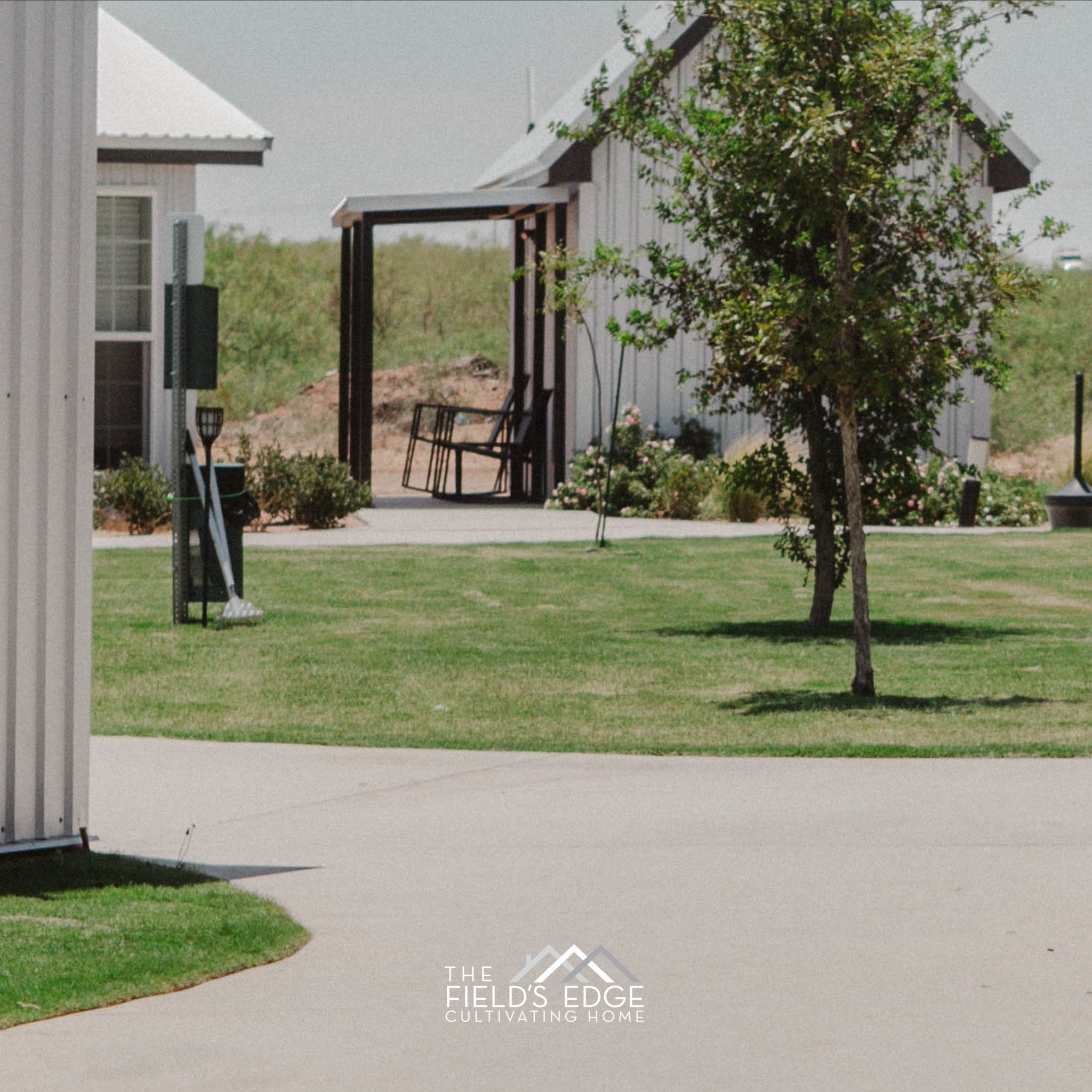
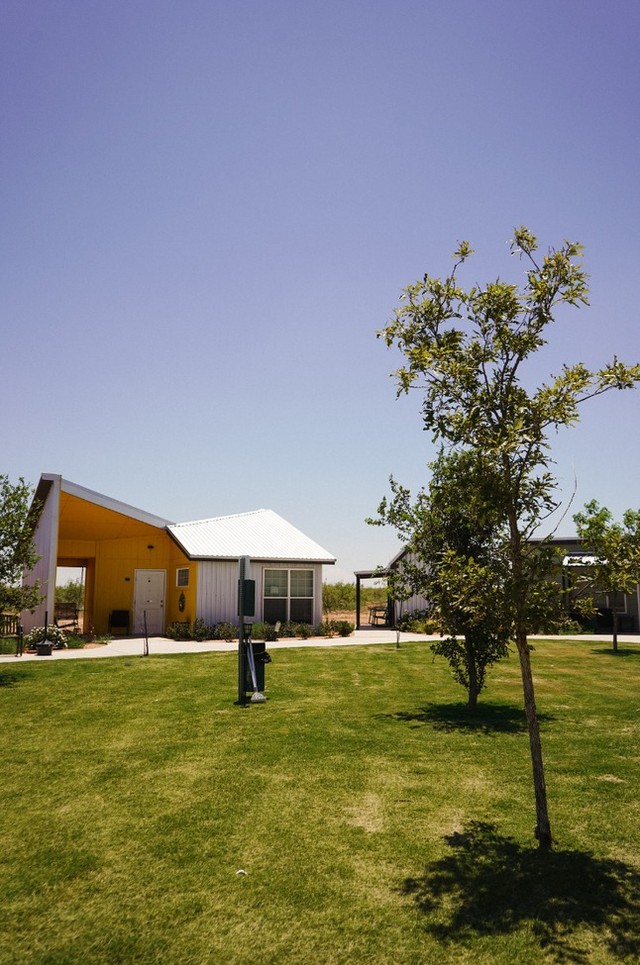
The Field's Edge Village is a permanent community for men and women coming out of chronic homelessness. Each neighborhood holds about ten single-occupancy homes for neighbors, and one missional home for a Christian household. The neighbors in that neighborhood, which we also call a pod, are the people the household is sent to.
That household does not run the Village. They do not manage operations, carry case files, or enforce policy. They live there. They learn names, share meals, give rides, pray, and disciple.
Read more
It is the same thing God told His people in exile in Jeremiah 29:4-7: build houses, live in them, and seek the welfare of the place He sent you. Missionals plant their lives here for the good of their neighbors.
And the Word became flesh and dwelt among us, and we have seen His glory, glory as of the only Son from the Father, full of grace and truth.John 1:14, ESV
The primary purpose is the proclamation and lived witness of the gospel. The Field's Edge works on the real problems that come with homelessness, and those problems are real. But the deepest need of every person, housed or not, is reconciliation with God through Jesus Christ. The missional household is how that need gets met in the ordinary hours.
Homelessness is a poverty of relationships. Most of our neighbors lost their relationships long before they lost their housing. Missionals help rebuild that by being good neighbors.
What It Can Look Like
Moving in
He arrives with what fits in two bags and a box. The house is small, clean, and his. The first few nights the quiet keeps him awake. The missional family next door waves from the porch, learns his name, and brings a plate over on the second night. Nobody asks for his story, and they keep showing up anyway.
Being known
At the Thursday cookout he takes the chair at the edge. A few weeks later it is a chair closer in. Somebody remembers how he takes his coffee. The missional dad asks him to help move a couch, then asks him to stay for dinner. He comes to Bible study for the food the first time and stays for the questions the second.
Healing
Then a hard month: a relapse, or a death back home, or a stay in the hospital. This is when the household next door matters most. They sit with him, pray with him, call Neighbor Care for the things that are beyond friendship, and they do not leave. Over time he hears the gospel from people who have seen him at his worst and still knock on his door, and he starts to believe he is not too far gone for Christ.
Thriving
A year or two in, he is the one carrying a plate to the new neighbor. He works Glean Up shifts and is proud of the paycheck. He calls his sister. He prays out loud at Bible study, short and plain, and some Thursdays he is the one who stays late to stack the chairs.
Not every story goes this way, and none goes in a straight line. This one is drawn from years of life in the Village, not from any one person.
The documentary about The Field's Edge
Finding Home in Boomtown is a feature-length documentary about The Field's Edge. Maxwell Filmworks followed us on Midland's streets in 2017, in the early days of this ministry, among the neighbors who became the reason the Village exists. Watch it to see where all of this started.
What a Missional Household Does
Discipleship and witness
- Disciple the neighbors around you as relationships form. Formal one-on-one assignments with Sojourners may come later, by mutual agreement.
- Speak plainly and graciously about Christ. Call neighbors to repentance and faith. Pray with them and for them.
- Take part in Village Bible study and the Thursday cookout each week.
- Walk neighbors into a healthy local church. Invite, drive, sit with, introduce. Church membership for a neighbor is the goal, not attendance at our events.
- Model an ordered Christian household in front of people who have rarely seen one.
Ordinary life, hard seasons, and what missionals are not
Presence in ordinary life
- Meals together, local events, birthdays.
- Rides. Help navigating a court date, a doctor, the benefits office.
- The unremarkable hours, which is where trust is actually built.
Presence in hard seasons
- Crisis, relapse, grief, hospitalization, and the end of life.
- Companionship, prayer, and Christian hope. Weep with those who weep (Romans 12:15). Over time, missionals become a form of extended family for neighbors who have none.
What missionals are not responsible for
We hold ourselves to this list as much as we hold you to yours. It is written into the agreement.
- Running Village operations or making administrative decisions
- Case management or professional counseling
- Security or after-hours duty
- Enforcing policy or disciplining neighbors
- Handling anyone's money, benefits, or medications
When something is beyond friendship, call Neighbor Care. That is what they are there for.
A Typical Week

No two weeks look the same. This is the shape of one on each track.
Tentmaker track
- Your own work. You come home to the Village.
- A shared meal, a ride, a conversation on the porch, prayer with a neighbor.
- Village Bible study, then the cookout.
- Time with neighbors, local events, birthdays.
- Worship with your own church. Invite a neighbor, drive them, sit with them.
- A one-on-one with our Director of Ministry, for care and honesty.
Full-time track
- Your time is given to the mission. Life in the Village: meals, rides, a conversation on the porch, prayer with a neighbor.
- The two weekly Bible studies, opening the Scriptures alongside neighbors.
- Village Bible study, then the cookout.
- Our staff who carry discipleship and case support. When something is beyond friendship, it goes to them.
- Worship, and bring a neighbor with you.
Hard seasons do not keep a schedule. You are not on call, and when something is beyond friendship, Neighbor Care carries it. The exact shape of a full-time missional's week is something we walk through with you in conversation, and the full-time page has more.
Your Home
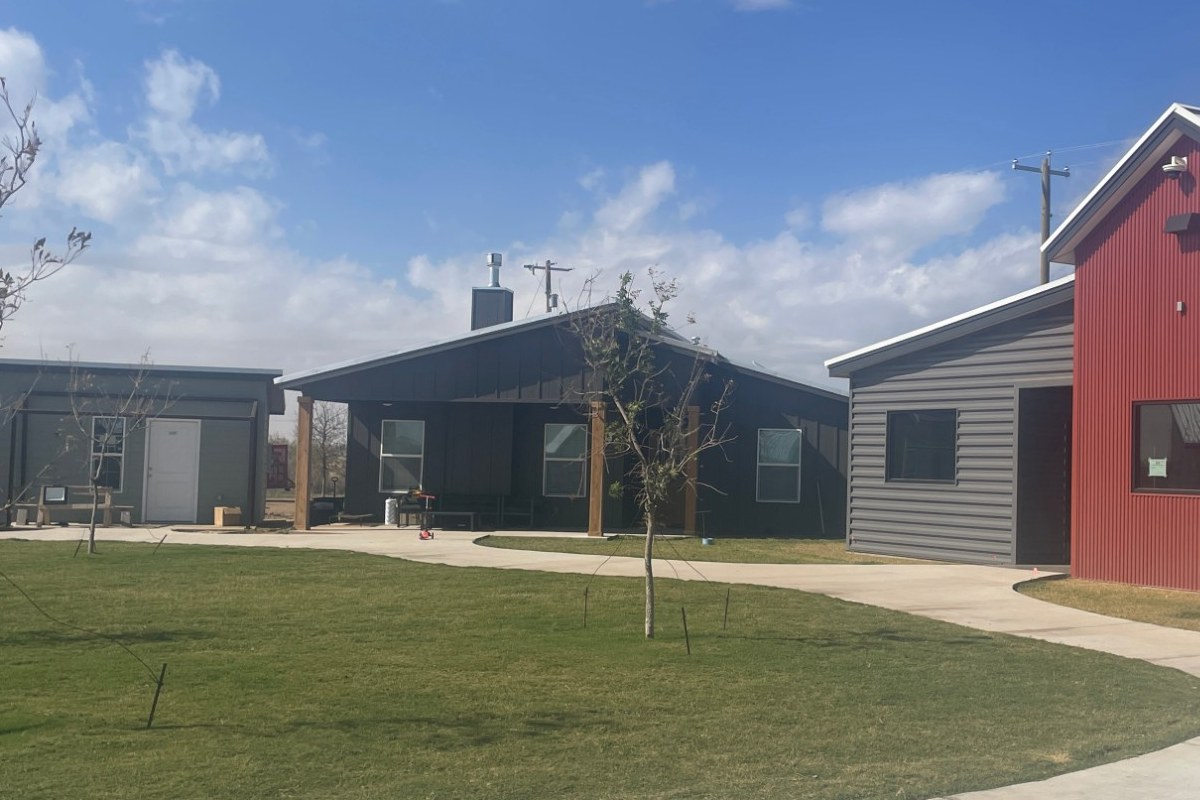
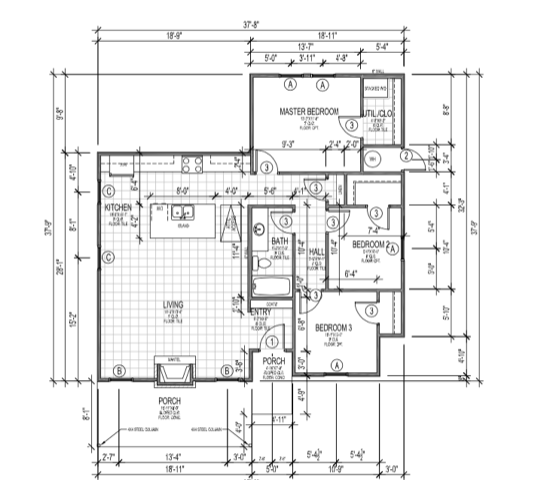
A three-bedroom, one-bath house, about 1,200 square feet, with a washer and dryer. It sits in one of the Village neighborhoods, or pods, and the neighbors in your pod are the people you are sent to. Homes in Phase II will be a little larger, with three bedrooms and two baths.
The Cost
This is not a housing arrangement. It is a calling, and it costs something. We want you to hear that from us up front.
- Privacy looks different. You will be known, and sometimes interrupted. Healthy boundaries are expected, not a failure. You do not drop everything for every request.
- Hard things happen next door. Relapse, mental illness, legal trouble, grief. Neighbors here have died, and more will.
- You hold no authority over Village operations or over any neighbor.
- Some of it will not work. People you love will leave, relapse, or disappoint you.
On the Tentmaker track
- Two years, minimum. About 85 percent of nights in residence.
- You pay a monthly program fee. The Field's Edge provides no salary, stipend, or housing allowance. Your household carries its own income.
Indeed, I count everything as loss because of the surpassing worth of knowing Christ Jesus my Lord.Philippians 3:8, ESV
Rest, and what we commit to you
We do not just put up with the cost. We count it worth it, because Christ is worth it. That does not mean burning out. After the disciples came back from ministry, Jesus told them to come away and rest a while (Mark 6:31). Keep your Sabbath, keep healthy boundaries, and plan to be here for years.
What The Field's Edge commits to you on the Tentmaker track
- Orientation before move-in, then ongoing training and coaching.
- A monthly one-on-one with our founder and Director of Ministry, who has lived as a missional himself, for care and honesty, not for reporting.
- A quarterly household review that starts with your marriage, your children, and your sleep, not with your output.
- A direct line to Neighbor Care staff for anything beyond friendship.
- Honest feedback about fit, including when it may be time to move on.
How We Discern a Calling
A calling has an inward side and an outward side. We do not take a household's word for it alone, and we do not substitute our judgment for God's. We look for four witnesses to agree.
Your own settled conviction
Your church's confirmation
Fruit already visible here
Our leadership's affirmation
If any one of the four is missing, we wait. Waiting is not a no. Sometimes the answer is not yet, and sometimes it is no. Either way, we will tell you plainly why.
Who this is for, and what we look for
Who this is for
- Married couples, with or without children
- Couples discerning a long-term call to missional life
- Single adults with demonstrated maturity, stability, and a clear calling
Every adult in the home applies, is approved, and signs on their own. No adult comes along as a dependent. The determining factor is not household size. It is whether the household is ready to live faithfully and consistently in this community.
What we are looking for
The qualifications Paul gives for deacons in 1 Timothy 3:8-13. Dignified, honest in speech, sober, not greedy for gain, holding the faith with a clear conscience, faithful in all things, managing your own household well. Missionals serve much as deacons do, only in the neighborhood rather than the church. In Acts 6:1-6 the church set apart seven men so widows would not be overlooked at the daily meal. That practical, faithful service is the shape we have in mind. Not perfection. Maturity. Every missional is a sinner saved by grace, and we are all still being made new.
What rules a household out
- Active substance use, addiction, or recent relapse
- Unwillingness to submit to a local pastor's authority
- Ongoing sexual immorality or unrepentant relational sin
- Criminal activity or significant legal jeopardy
- Current church discipline, or loss of membership
- Inability to affirm our Statement of Faith sincerely
- A calling centered on rescuing people, or on being needed, rather than on Christ
- A marriage under visible strain.
The goal is not to exclude broken people. It is to place households who are themselves growing in gospel maturity and accountability, so that they have something to give.
The Pathway
This is the pathway for the Tentmaker track. The full-time track has its own pathway, built so someone who lives far from Midland can discern it from home.
Be here
A conversation
Application
The rest of the pathway
Conversations with our leadership
Commissioning
Agreement and move-in
Term and Commitment
Term, fee, church, and leaving
- A three-bedroom, one-bath house in one of the Village neighborhoods, or pods, about 1,200 square feet, with a washer and dryer. Homes in Phase II will be a little larger, with three bedrooms and two baths. The neighbors in your pod are the people you are sent to.
- 24 months from move-in.
- Successive 12-month terms, decided together at an annual review held at least 60 days before the term ends. Renewal is affirmative, never automatic.
- About 85 percent of nights in residence, measured each quarter. Work travel, family emergencies, medical needs, and approved absences do not count against it. Self-reported.
- A monthly fee set at our cost to provide and maintain the home. It is a program fee, not rent, because this is not a lease.
- None. The Field's Edge provides no salary, stipend, or housing allowance.
- Continued membership in good standing, faithful attendance, and your pastors remain your spiritual authority. We are not your church and will not act as one.
- 60 days written notice either direction. If you leave, we want to help you say goodbye to your neighbors well.
Why two years? Trust takes time here. Many of our neighbors have been let down by people who left. Two years gives a household time to be known.
Questions
+Is this free housing?
+What is the full-time track?
+I do not live in Midland. Can I still raise my hand?
+Do we have to be a certain kind of family?
+What about our children?
+Do we work for The Field's Edge?
+Are we on call?
+What if it is not working?
+Can we visit before deciding anything?
+Are you looking for households now?
+Is signing up an application?
Resources
Watch Finding Home in Boomtown
Scripture behind it
Read each one in its chapter. Hover or tap a reference to read the ESV text.
- Jeremiah 29:4-7. God tells His people in exile to build houses, live in them, and seek the welfare of the city where He sent them.
- John 1:14. The Word became flesh and dwelt among us.
- Acts 6:1-6. The church sets apart seven so widows are not overlooked at the daily meal.
- Acts 13:1-3. The church at Antioch sets apart Barnabas and Saul and sends them.
- 1 Timothy 3:8-13. The qualifications we look for.
- Romans 12:15. Weep with those who weep.
- Mark 6:31. Come away and rest a while.
- Philippians 3:8. Counting everything as loss for the worth of knowing Christ.
- 1 Thessalonians 2:8. Sharing not only the gospel but our own selves.
Learn More
Tell us a little about you and where you live. Then keep praying, and if you are near Midland, come to a Thursday cookout and learn a few names. If you are not, we will start with a video conversation.
Rather write? Email john-mark@thefieldsedge.org. If you are a pastor, start here.

So, being affectionately desirous of you, we were ready to share with you not only the gospel of God but also our own selves, because you had become very dear to us.1 Thessalonians 2:8, ESV