
Full-Time Missionals
Sent like a missionary, to neighbors here at home.
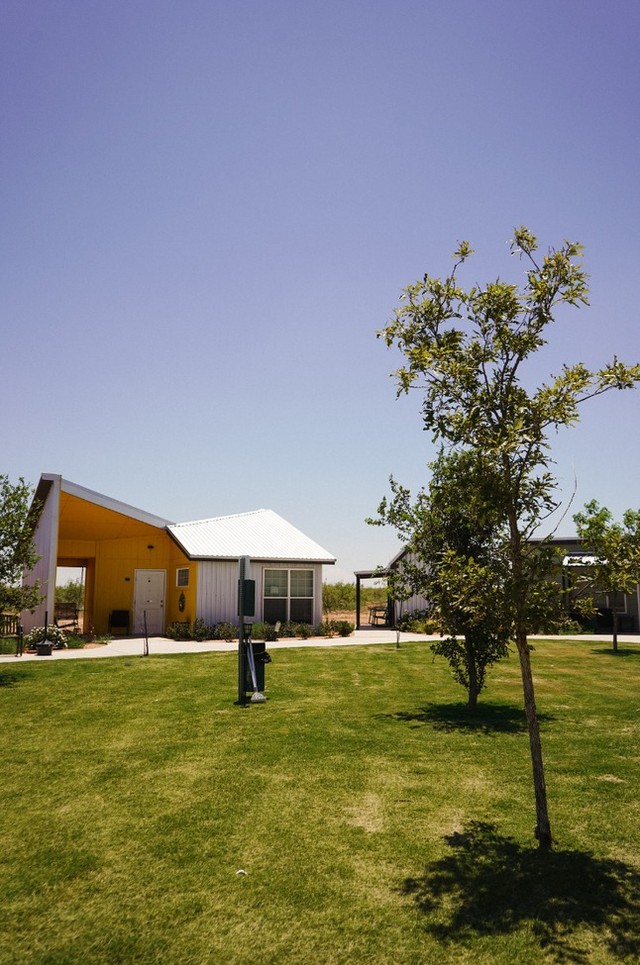
Called from far away? You do not have to move to Midland, or spend months here, to find out whether this is for you. Discernment happens from where you live: video conversations, a live video call where we show you around the Village, reading, and your own pastor and church. Then a short visit of a few days before you move.
At a Glance
- What it is. Like foreign mission service, here at home. You raise support before you come, live in the Village, and give your time fully to the mission.
- How it differs. On the Tentmaker track, missionals keep their jobs and serve in the evenings and on weekends. On this track, the working hours are given to the mission too.
- Who it is for. People with a tested sense of calling, a church that will send them, and a sincere affirmation of our Statement of Faith.
- Where it starts. Prayer, a talk with your pastor, and a short sign-up. From anywhere.
- What it costs. The same monthly program cost as the Tentmaker track, covered by the support you raise. Two years, minimum. We walk through the support amount and the practical details with you in conversation.
What the Life Looks Like
Each neighborhood in the Village holds about ten homes for neighbors and one missional home for a Christian household. The neighbors in your neighborhood, or pod, are the people you are sent to. Missionals do not run the Village. They live there as friends and disciple-makers. They learn names, share meals, give rides, pray, and speak plainly and graciously about Christ.
A full-time missional does the same, with one difference: there is no outside job pulling them away. The hours a job would take are given to the neighbors and the work of the mission instead.
So, being affectionately desirous of you, we were ready to share with you not only the gospel of God but also our own selves, because you had become very dear to us.1 Thessalonians 2:8, ESV
Paul wrote that to a church he had lived among. It is the shape of this life: the gospel first, and your own life given alongside it.
A Week in the Village
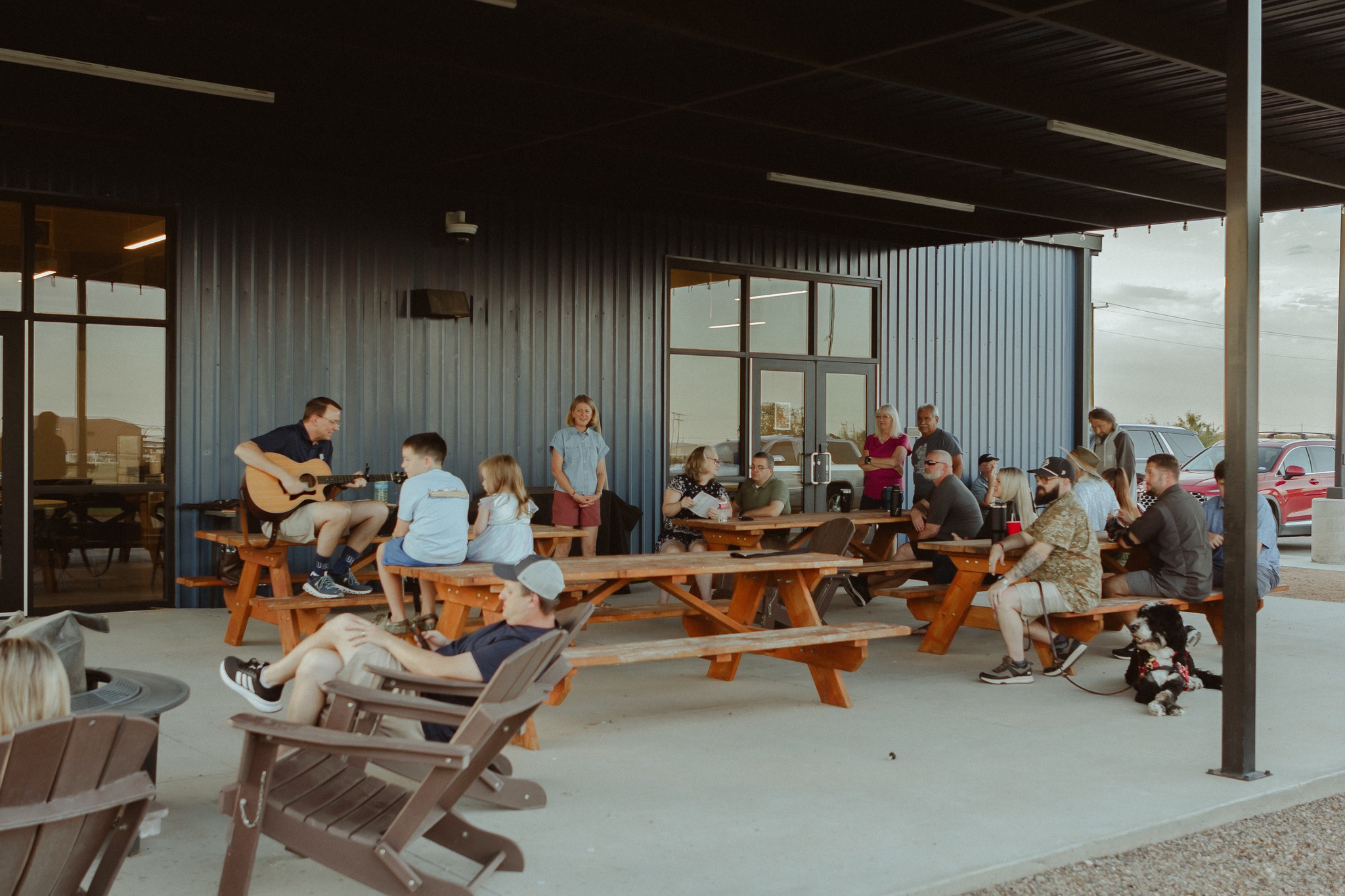
- Life in the Village. Meals, rides, a conversation on the porch, prayer with a neighbor.
- The two weekly Bible studies, opening the Scriptures alongside neighbors.
- Village Bible study, then the cookout.
- Our staff who carry discipleship and case support. When something is beyond friendship, it goes to them.
- Worship, and bring a neighbor with you.
These rhythms are already part of Village life. The exact shape of a full-time missional's week, and what falls to you within it, is something we will walk through with you in conversation.
Your Home
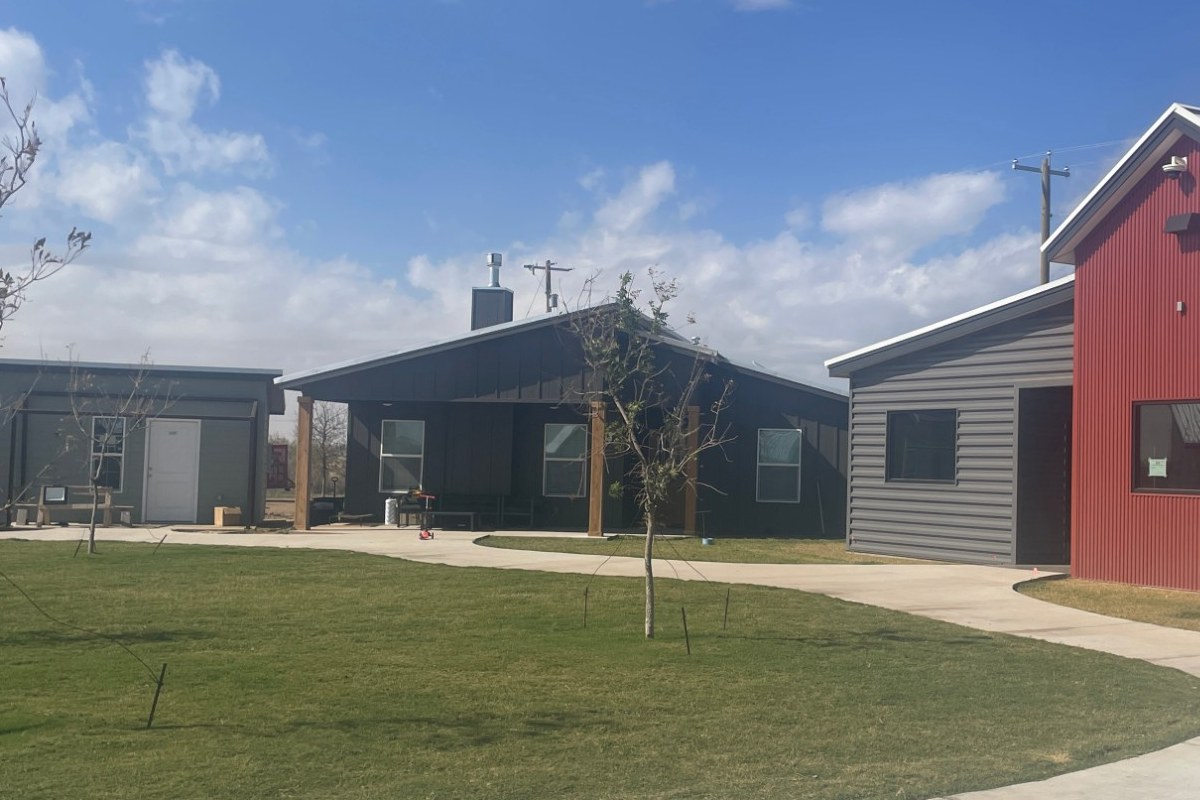
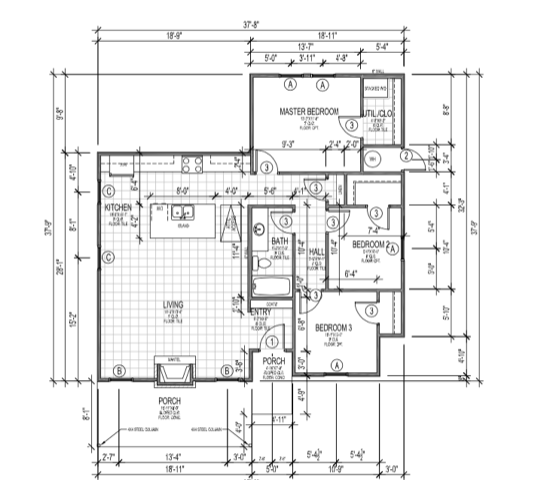
A three-bedroom, one-bath house, about 1,200 square feet, with a washer and dryer. It sits in one of the Village neighborhoods, or pods, and the neighbors in your pod are the people you are sent to. Homes in Phase II will be a little larger, with three bedrooms and two baths.
Who It Is For
- A sense of calling. A desire that has been tested over time, not a good feeling after one visit. We will ask you to write it down.
- A sending church. Your pastor recommends you, and your congregation sets you apart and sends you, the way the church at Antioch sent Barnabas and Saul (Acts 13:1-3). Your church stays your church after you come.
- Our Statement of Faith. Every adult in a missional home affirms it sincerely, in the work and outside it. Every role at The Field's Edge is ministerial. Read it here.
- Maturity, not perfection. The qualifications Paul gives for deacons in 1 Timothy 3:8-13 are the shape we look for.
What we look for, and what rules a household out
The same standards apply on both tracks. They are on the main page, under How We Discern a Calling. In short: we look for four witnesses to agree. Your own settled conviction, your church's confirmation, fruit we can see in your life, and our leadership's affirmation. If any one of the four is missing, we wait, and we will tell you plainly why.
A calling centered on rescuing people, or on being needed, rather than on Christ, is not a fit for either track.
Raising Support
Most people who hear about this track have never raised support. Here is what it means, the way a missions agency would explain it to someone headed overseas.
What it is
Instead of earning a paycheck from an outside job, you are carried by people who believe in the work: your church, family, friends, and others the Lord brings along. They commit to pray for you and to give, most often a set amount each month, so that you can give your time to the mission. These people are usually called ministry partners. Missionaries have been sent this way for generations.
How it usually works
Make a list
Ask to meet
Invite them in
Keep going until it is in place
Stay connected
Is this just asking for money?
No. It is inviting people into the work. When the elder wrote to Gaius about brothers who had gone out for the sake of Christ's name, he told him to send them on their way in a manner worthy of God, and then said this:
Therefore we ought to support people like these, that we may be fellow workers for the truth.3 John 8, ESV
The people who give are not paying for a service. They become fellow workers. Many missionaries find that raising support is where their own trust in God grows the most, because the provision plainly is not theirs.
What we will walk through with you
How much support to raise, how gifts are given and receipted, how support is handled once it comes in, and what help we offer along the way. Those details are being settled now. We would rather walk through each of them with you in conversation than guess at them here.
The Pathway
Every step before the short visit can happen from where you live. Nothing here is rushed, and nothing is set on a deadline.
Pray, and raise your hand
A first conversation, by video
Get to know the Village from where you are
The rest of the pathway
Your pastor and sending church
Application and conversations, by video
A short visit
A yes, together
Raise support
Commissioning
Arrival
Called From Far Away?
Many people who sense this call live far from Midland. That is expected, and the process is built for it. Nobody has to spend months in Midland before they know whether this is theirs.
- By video, with our Director of Ministry and with our leadership.
- A live video call where we show you around the Village, plus the film and stories from the Village.
- Our Statement of Faith, this site, and the Scripture behind the program.
- Your own pastor and church do what a sending church does for any missionary: confirm, commission, and send.
- A few days here before you move, so neighbors and staff can meet you face to face.
Why a short visit is enough
On the Tentmaker track, households are already close by, so we ask them to be around for months first. Neighbors and staff get to know them, and that is part of how we see fruit.
If you live far away, that witness comes from where you are now. Your pastor knows your life and your ministry there, and tells us honestly. Our conversations by video fill in the rest, and the visit lets neighbors and staff put a face to a name before you arrive.
The visit itself, and the move, including timing and costs, are things we will talk through with you in conversation.
Questions
+Do I have to live in Midland first?
+I have never raised support. Can I still do this?
+How much support would I need to raise?
+Where would I live?
+Would I work for The Field's Edge?
+How long is the commitment?
+Do I need a sending church?
+What is the difference from the Tentmaker track?
+Is signing up an application?
Learn More
Tell us a little about you and where you live. Then keep praying, and talk with your pastor.
Rather write? Email john-mark@thefieldsedge.org. If you are a pastor, start here. For the whole program, go back to the main page.